Why Do Parking Lots Sink?
Learn what causes concrete parking lots to sink, what you…
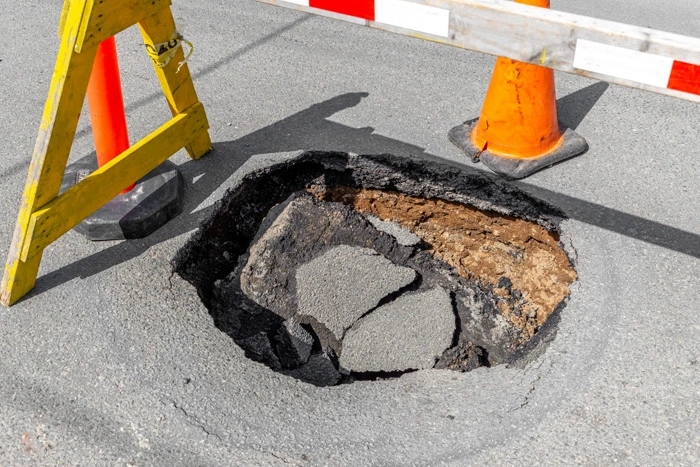
Over time, concrete can become uneven when the subgrade beneath the slab loosens or shifts, leaving it unsupported. The slab may loosen or shift for several reasons, including soil erosion, poor compaction during initial installation, freeze-thaw cycles, tree roots, heavy vehicle use, and more.
When concrete becomes uneven, you need to fix it wherever it is because it’s a safety hazard. The longer you let problems fester, the more expensive the fix will likely be.
In most cases, uneven areas on a slab can be fixed via concrete leveling, a cost-effective alternative to a replacement. There are four primary ways to level concrete: polyjacking, mudjacking, slurrying, and self-leveling concrete.

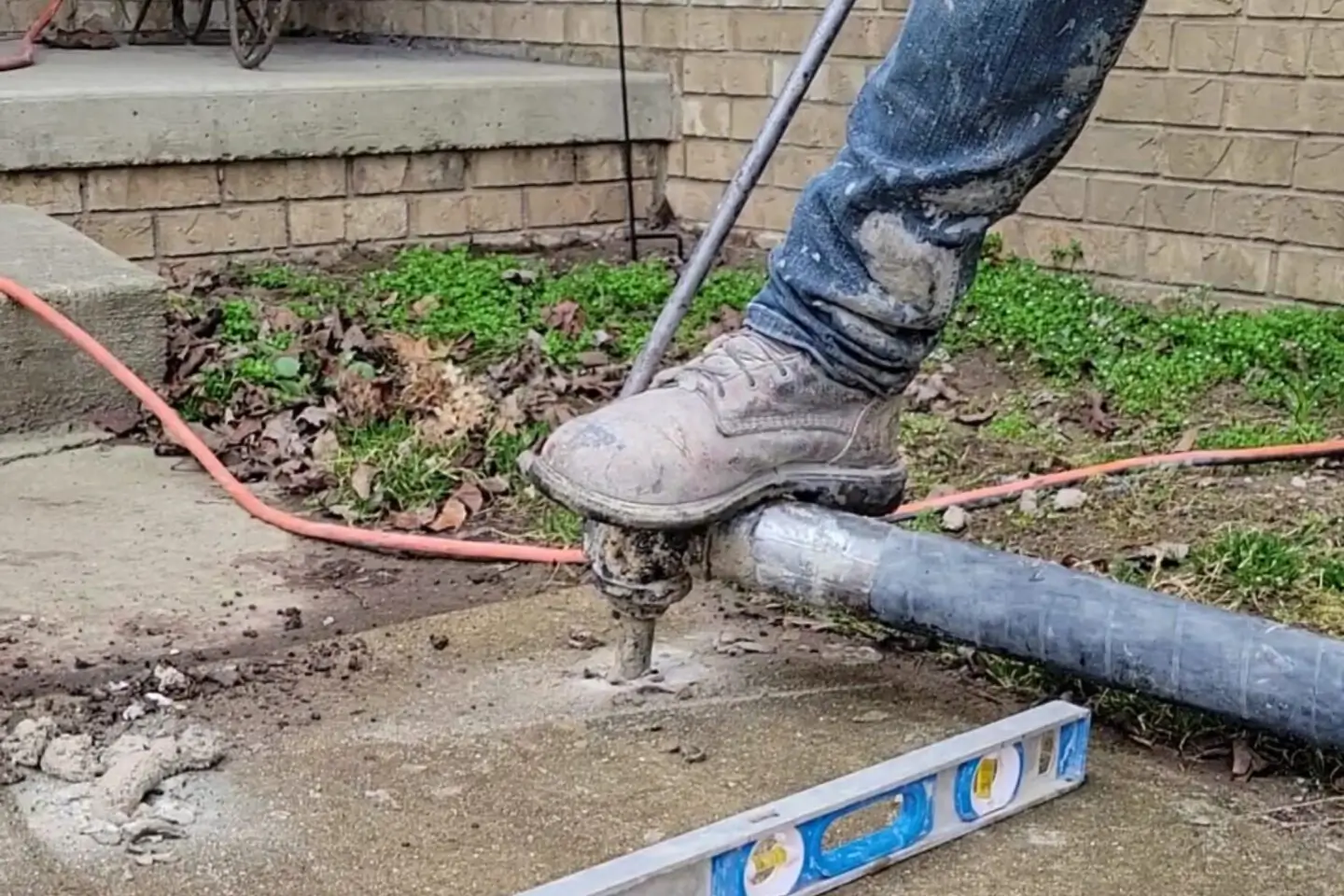
Also known as “foam jacking” or “concrete lifting,” this minimally invasive method involves drilling small holes into the concrete slab, then injecting liquid polyurethane so it reaches beneath the slab. The liquid expands into a high-density foam that fills voids in the soil and gently lifts the concrete to its proper level. To finish the process, the holes are filled, and the concrete is generally safe to walk on again after about an hour of cure time.
Like all concrete leveling methods, the primary use case is for lifting or stabilizing sunken concrete that remains in good condition, but it can be particularly advantageous in situations where:
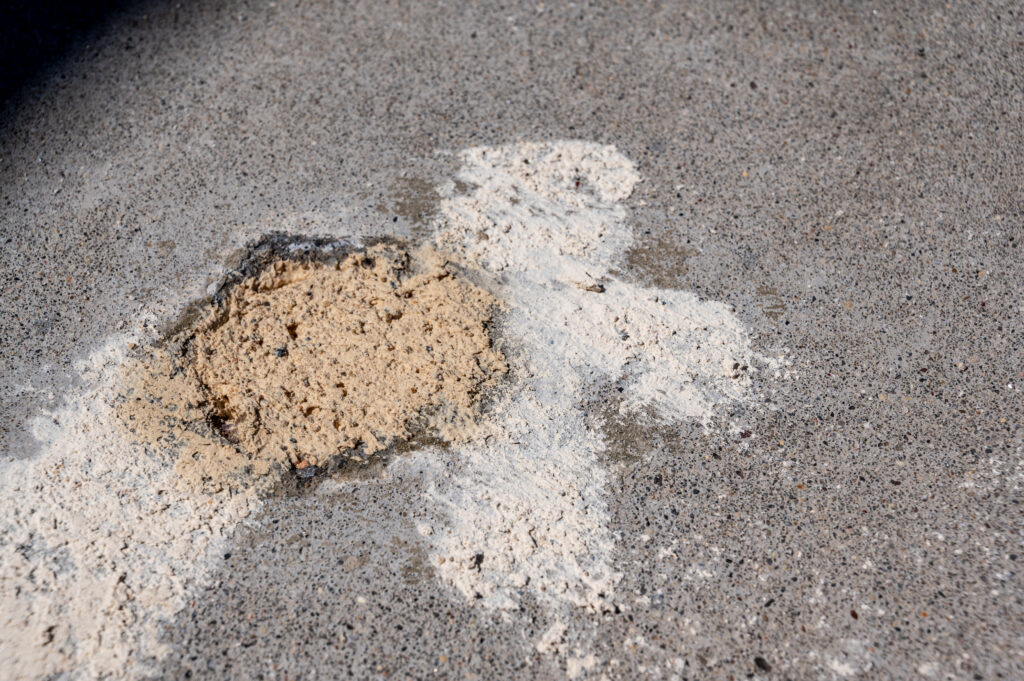
Mudjacking is the traditional leveling method. The process involves drilling larger holes and pumping a slurry, usually a mix of water, sand, soil, and cement, beneath uneven areas. The concrete lifts as the slurry fills the space.
Mudjacking may be better than polyjacking and stonejacking when the voids causing uneven concrete are larger, the subgrade is already stable and can handle extra weight, and traditional slabs (non-decorative) allow a few patched holes.
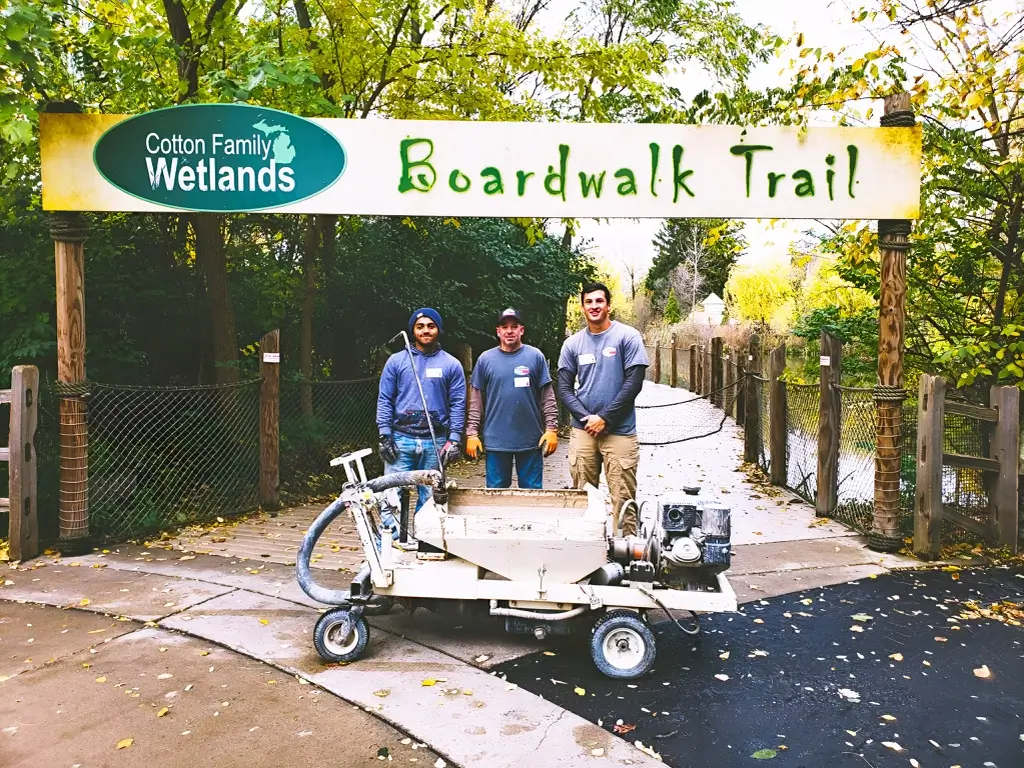
Limestone slurry jacking, sometimes called stonejacking or limestone leveling, works similarly to polyjacking and mudjacking because it involves drilling holes into the concrete. The difference is in the material used to fill the voids. In stonejacking, the lifting material consists of water and limestone.
Limestone leveling works well for heavy or large-scale concrete leveling jobs that need maximum support and better void filling.
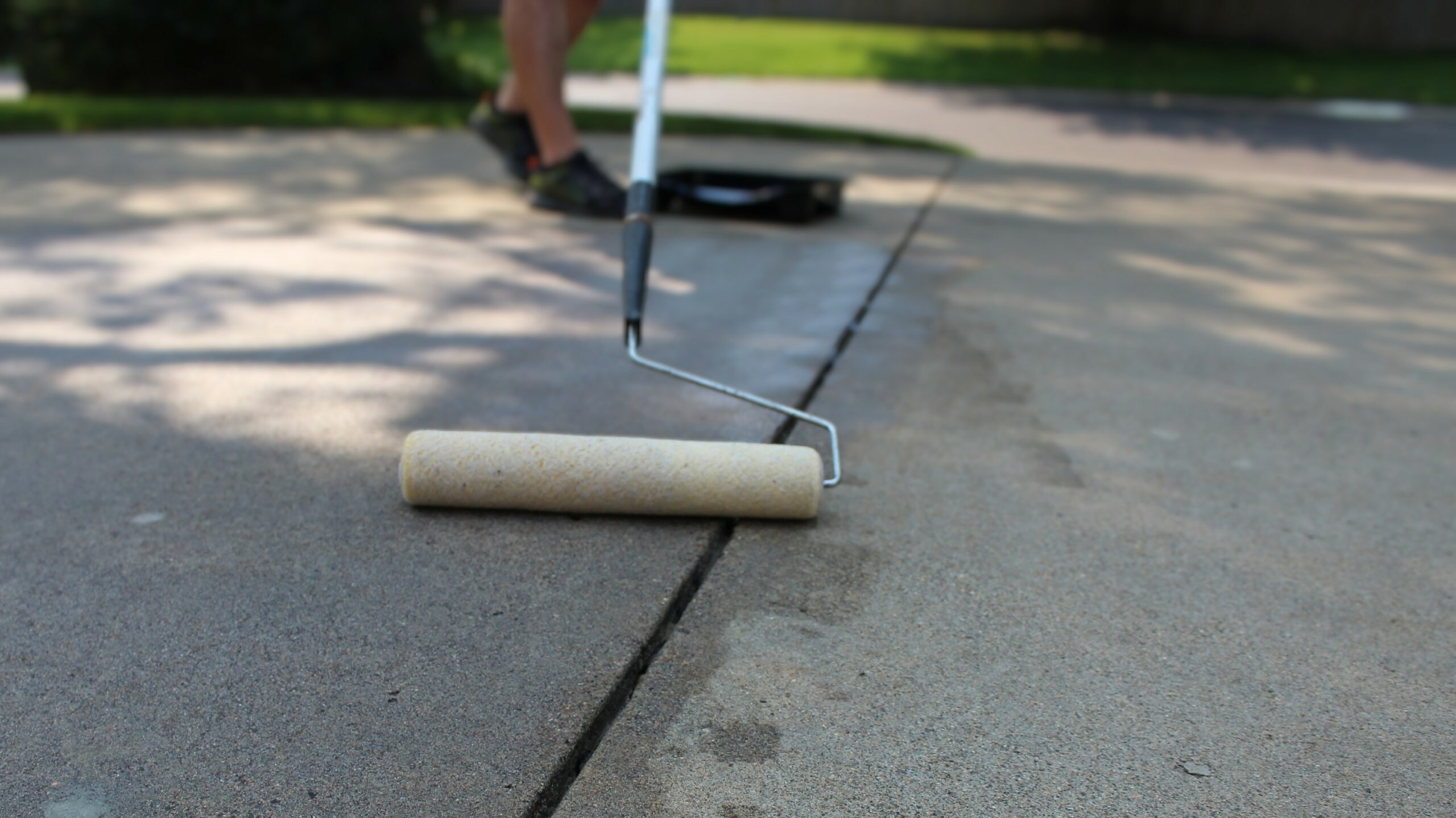
Self-leveling is a modified cement mixture that flows like a liquid and creates a level surface once applied. Unlike other concrete leveling methods in this article, it isn’t invasive. Instead, you apply it on top of the concrete, where it smooths out to correct surface variations. It’s best for leveling a concrete underlayment so you can apply flooring or another material on top.
You can’t use self-leveling concrete to fix uneven areas of a concrete slab. Its primary use case is for preparing an underlayment before finished flooring is installed.
If your concrete is uneven, contact Detroit Concrete Leveling today for a free inspection. Our team can help you determine whether concrete leveling is the right solution for you based on the condition of your existing concrete, and which method, polyjacking or limestone leveling, will be most effective.
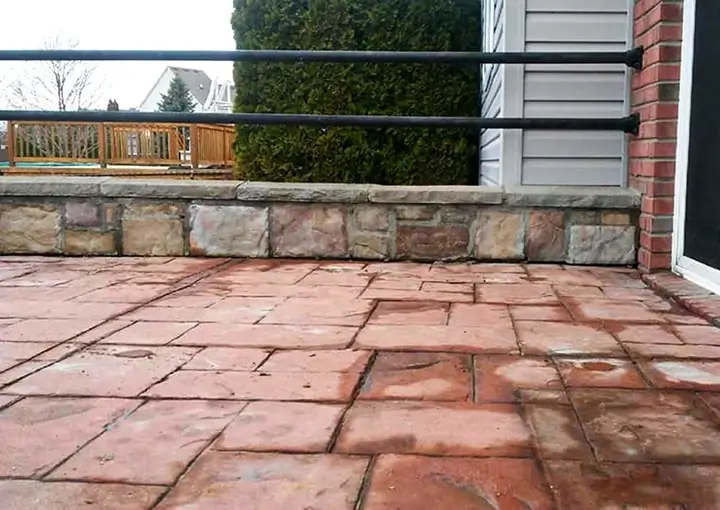
Get the quality you deserve from Detroit Concrete Leveling. If you’re ready to start your project, contact us today for a free, no-obligation quote.