Seasonal Maintenance Tips for Concrete Walkways
It’s easy to forget about your walkways, but they need…

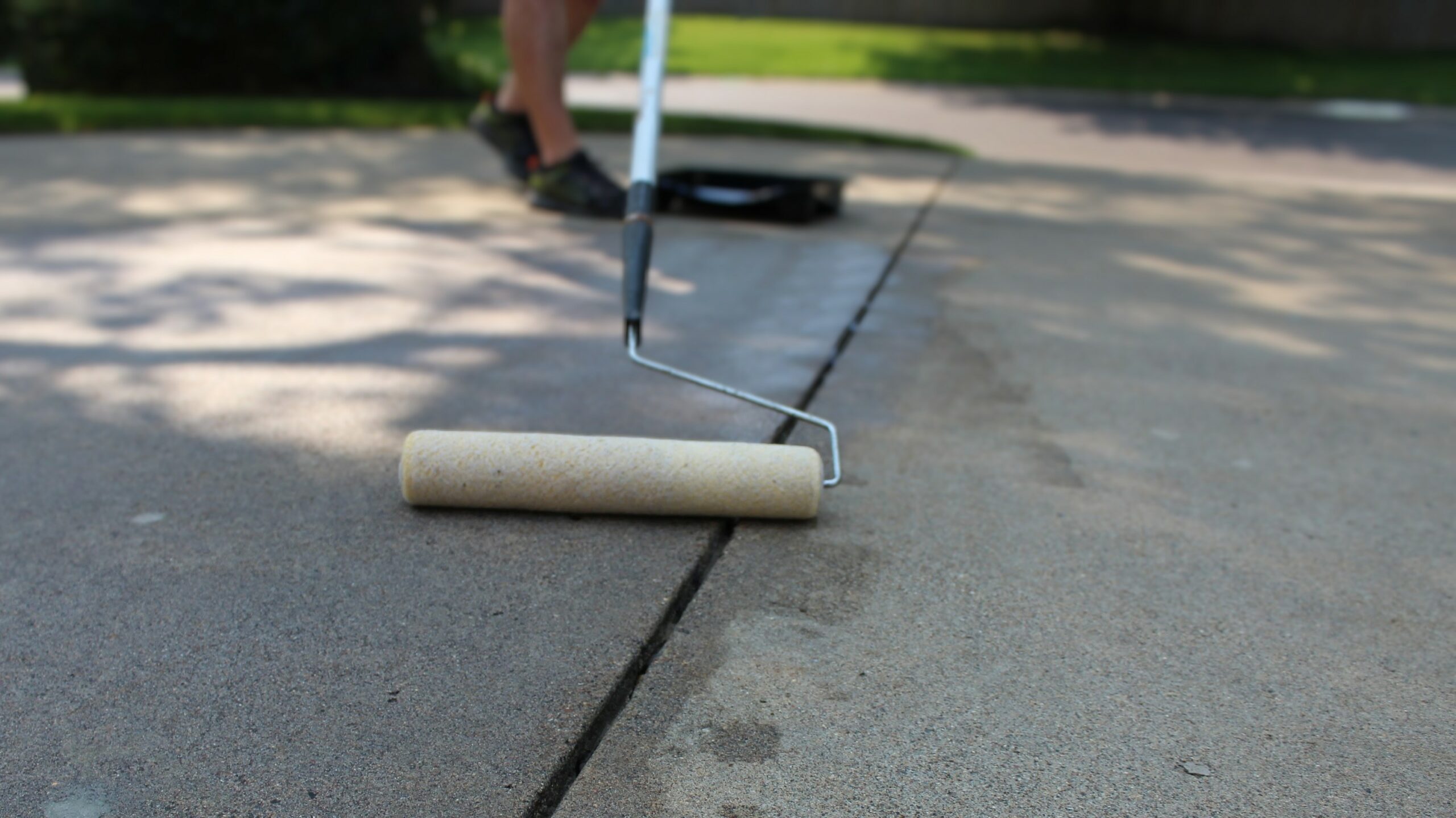
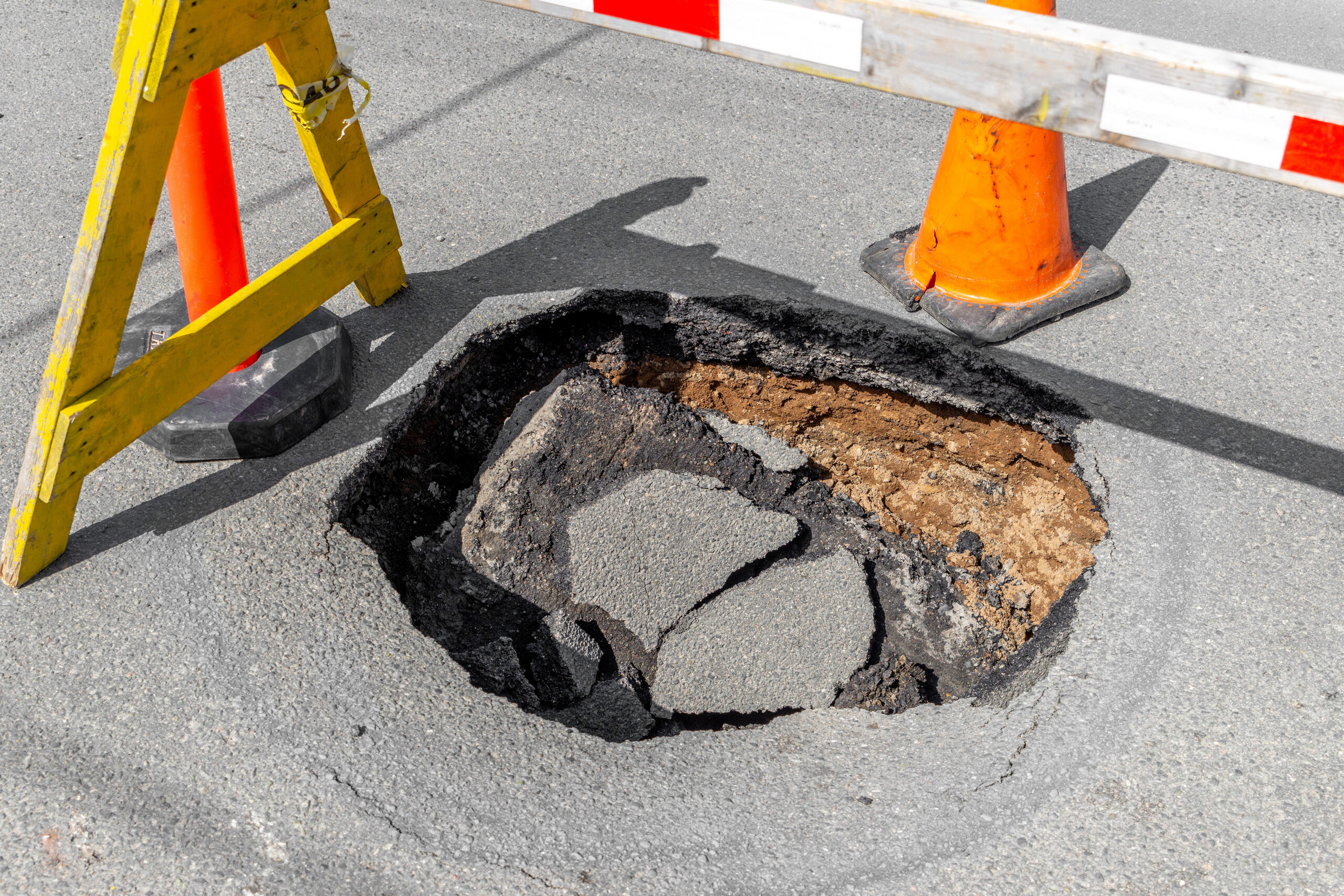
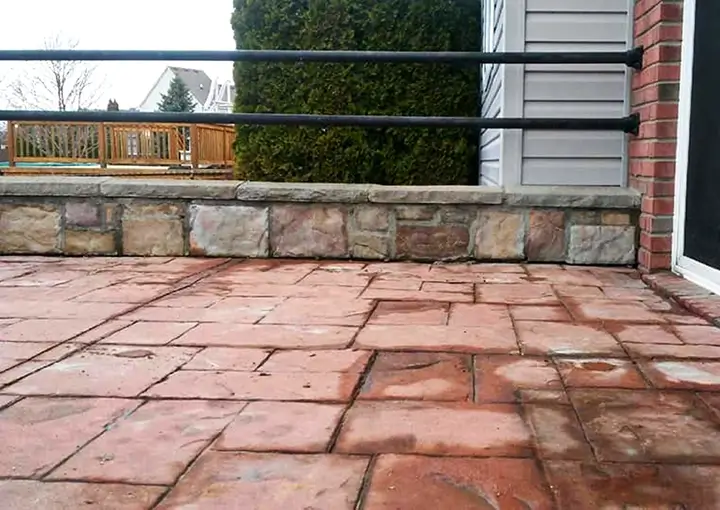
A variety of scenarios can cause uneven and/or sinking concrete:
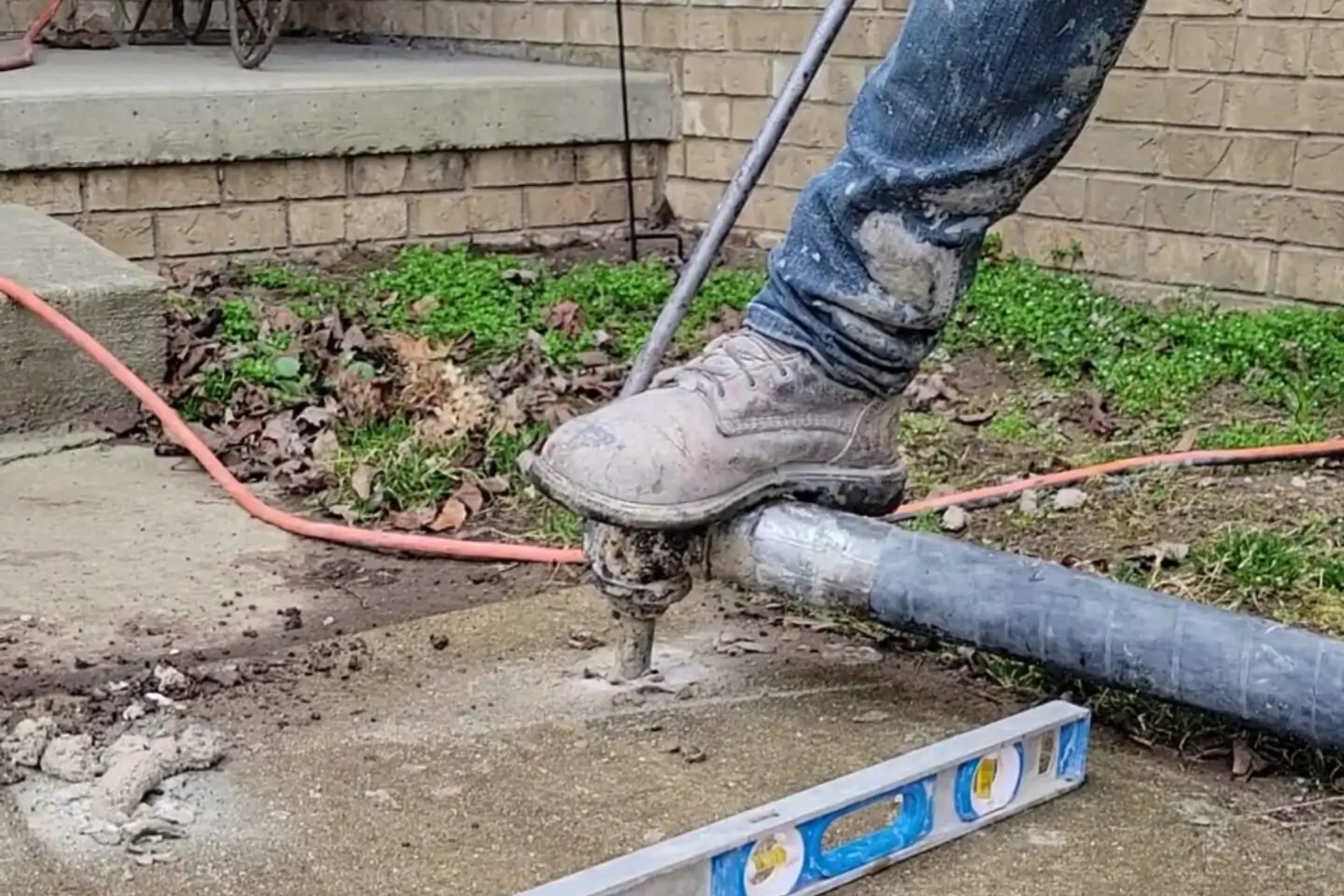
Regardless of the cause, it’s critical to get these areas leveled to prevent on-site injuries. Leveling is more cost-effective than a complete replacement, and can easily increase the lifespan of your driveway. Beyond leveling, consistent maintenance inhibits premature damage. If you’ve already had your driveway leveled, or you’re thinking about getting it leveled, follow these standard maintenance practices to ensure longer-lasting results.
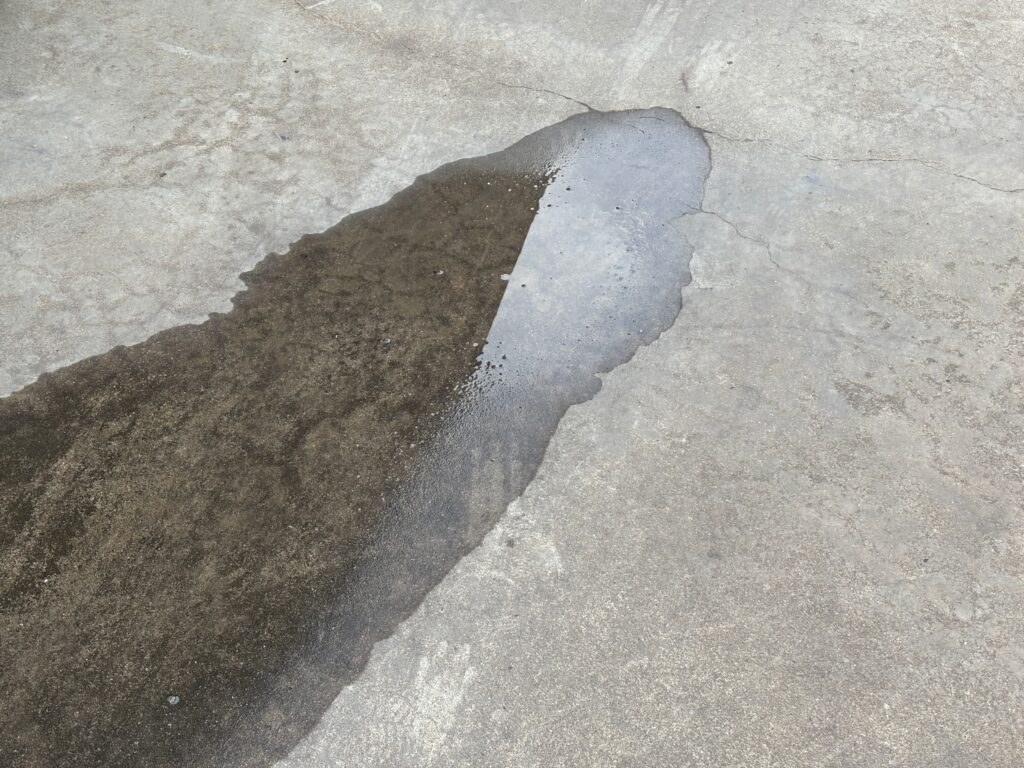
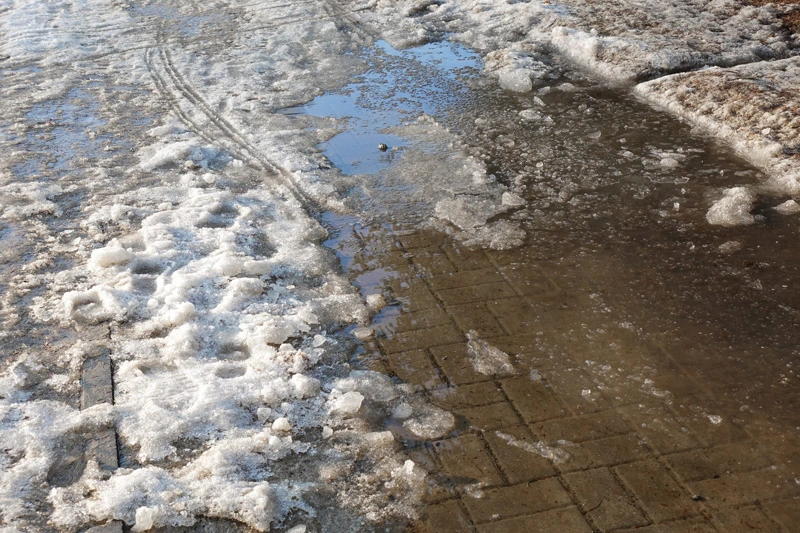
Standing water on the driveway impacts the concrete’s structural integrity and the soil underneath it over time. Concrete is a porous material, so if water pools on the surface or seeps into cracks, it can cause cracking, flaking, or chipping. What’s more, any water runoff that isn’t properly directed away from the concrete will eventually wash away the dirt and soil sub-base supporting your driveway, causing it to sink due to insufficient soil support.
So, one of the easiest things you can do, whether before or after leveling, is address any drainage issues. This includes:
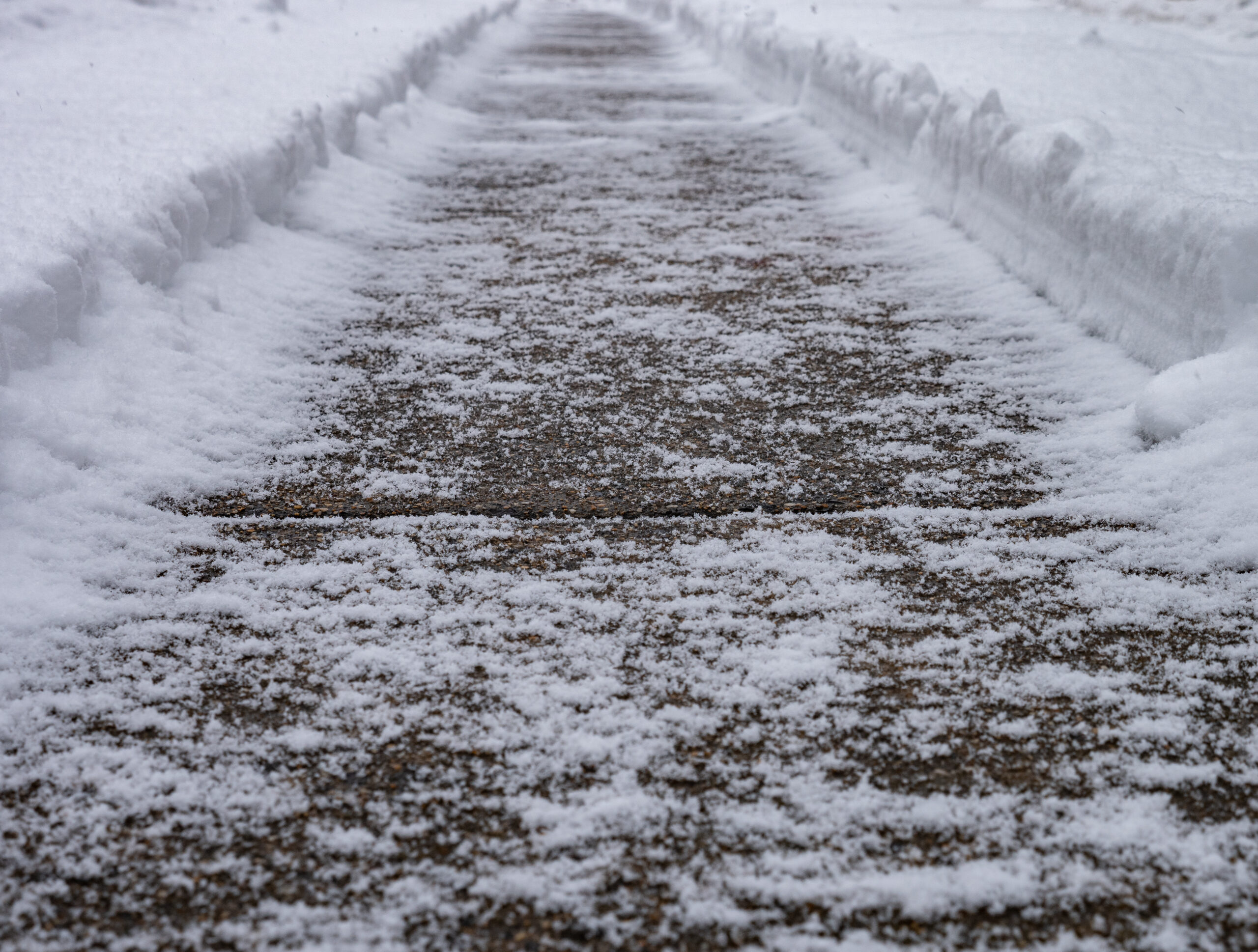
How you clear your driveway in the winter can affect its long-term condition. Don’t use salt and commercial de-icers to melt snow and ice. Salt can cause concrete to absorb water, while most de-icers contain magnesium compounds that accelerate concrete deterioration. In the winter, melt ice with concrete-safe or pet-friendly formulas containing calcium chloride. Or, if you’re improving traction on a walkway, you can use sand.
Additionally, use a plastic shovel or snowblower when clearing snow. If you only have a metal shovel, leave at least a 1/2 inch of snow in your driveway. Don’t let the metal shovel come into direct contact with the concrete. While some contact is fine, metal shovels will damage your concrete over time.
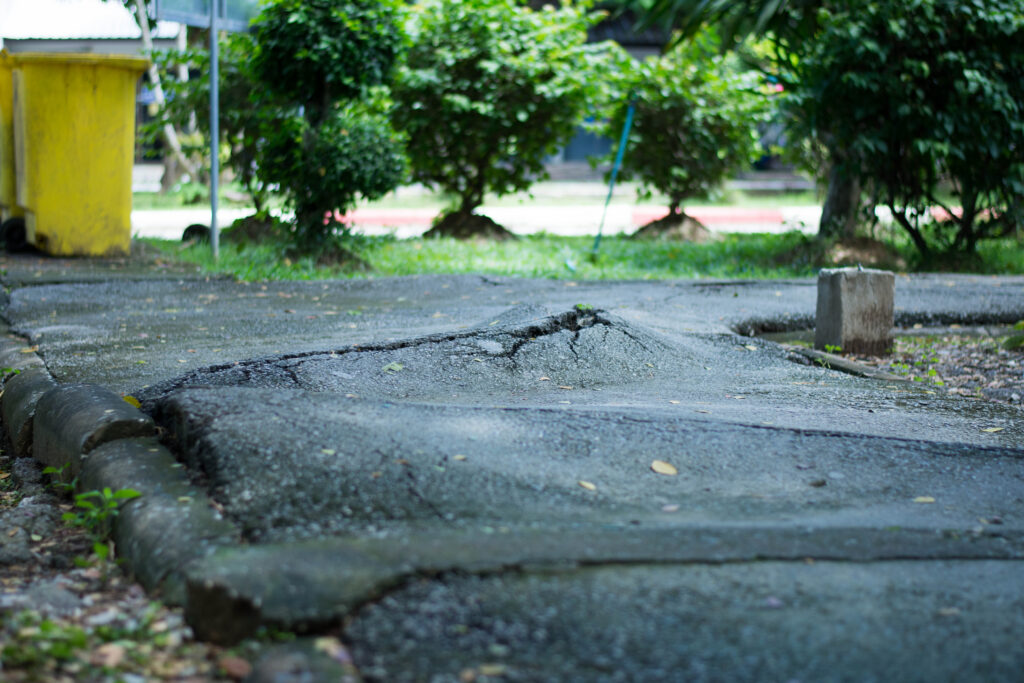
As tree roots grow, they can alter the supporting soil beneath concrete slabs and physically lift surfaces, including concrete. If you’ve noticed roots are causing cracks or heaving slabs, consider tree removal, root pruning, or root barrier solutions. For preventive care, remove trees or set barriers beneath any trees within 20 feet of your driveway.
The strength of standard concrete driveways is 3,000 to 4,000 psi. This measures how much weight concrete can support. While any driveway should be able to adequately support larger work trucks and small trailers, heavily trafficked driveways or driveways that regularly support heavy equipment, RVs, large delivery vehicles, and multi-axle trailers could experience premature damage.
Know your driveway’s weight limits and avoid parking heavy vehicles there, especially for extended periods. You might also consider using load-distribution mats.
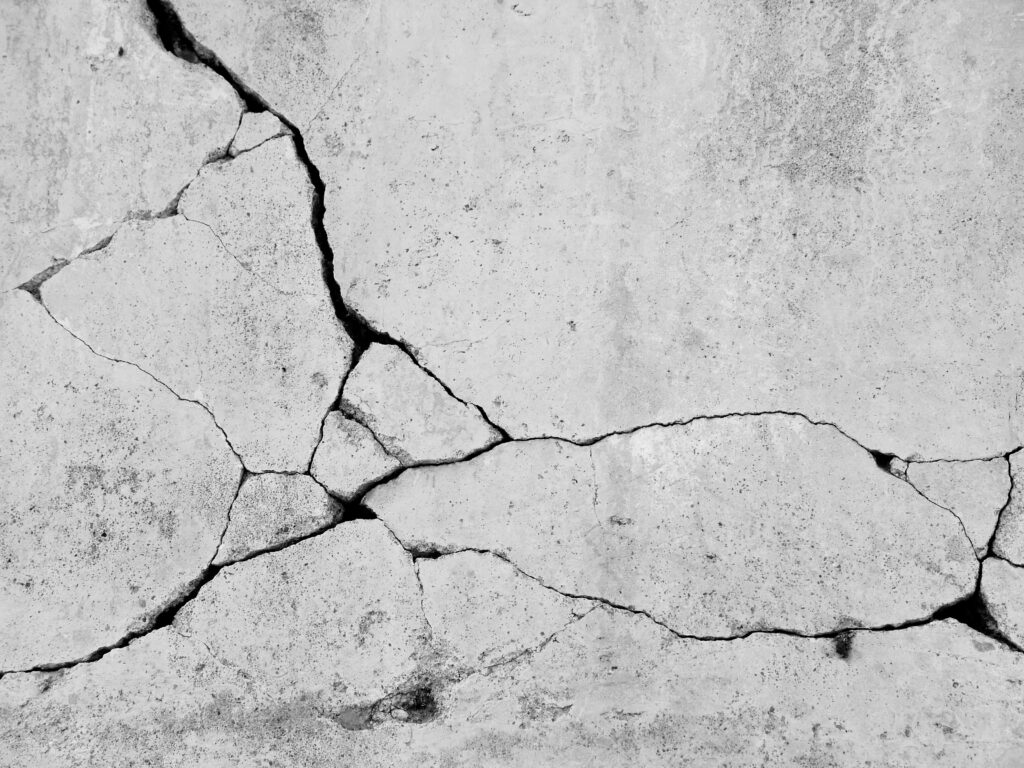
If your driveway has started cracking, make sure you seal them to prevent water intrusion and freeze-thaw damage. Water can also enter cracks and erode the sub-base beneath your driveway, leading to uneven surfaces. Use a polyurethane sealant or concrete filler to address any hairline or cosmetic cracks in your driveway, and contact a professional for larger cracks (more than 1/4-inch wide).
Your home maintenance plan should always include an outdoor walkaround. Inspect your driveway (and other concrete surfaces) at least once a week for issues such as cracks, spalling, flaking, sinking, and uneven areas, and take action before they worsen.
If you’ve noticed degraded filler in joints, sunken areas, discoloration, large cracks, or pooling water, contact Detroit Concrete Leveling today. We provide polyjacking/precision leveling to homeowners and businesses across southeast Michigan. Visit our website to learn more about how we can help you, or schedule a free, no-obligation inspection today.
Get the quality you deserve from Detroit Concrete Leveling. If you’re ready to start your project, contact us today for a free, no-obligation quote.