
Level floors are essential for safety, beauty, and long-term usability. If you’re wondering whether you need your concrete floors leveled, the answer is most likely “yes.” Most people don’t ask this question unless there are clear signs of damage, such as cracks and sunken areas.
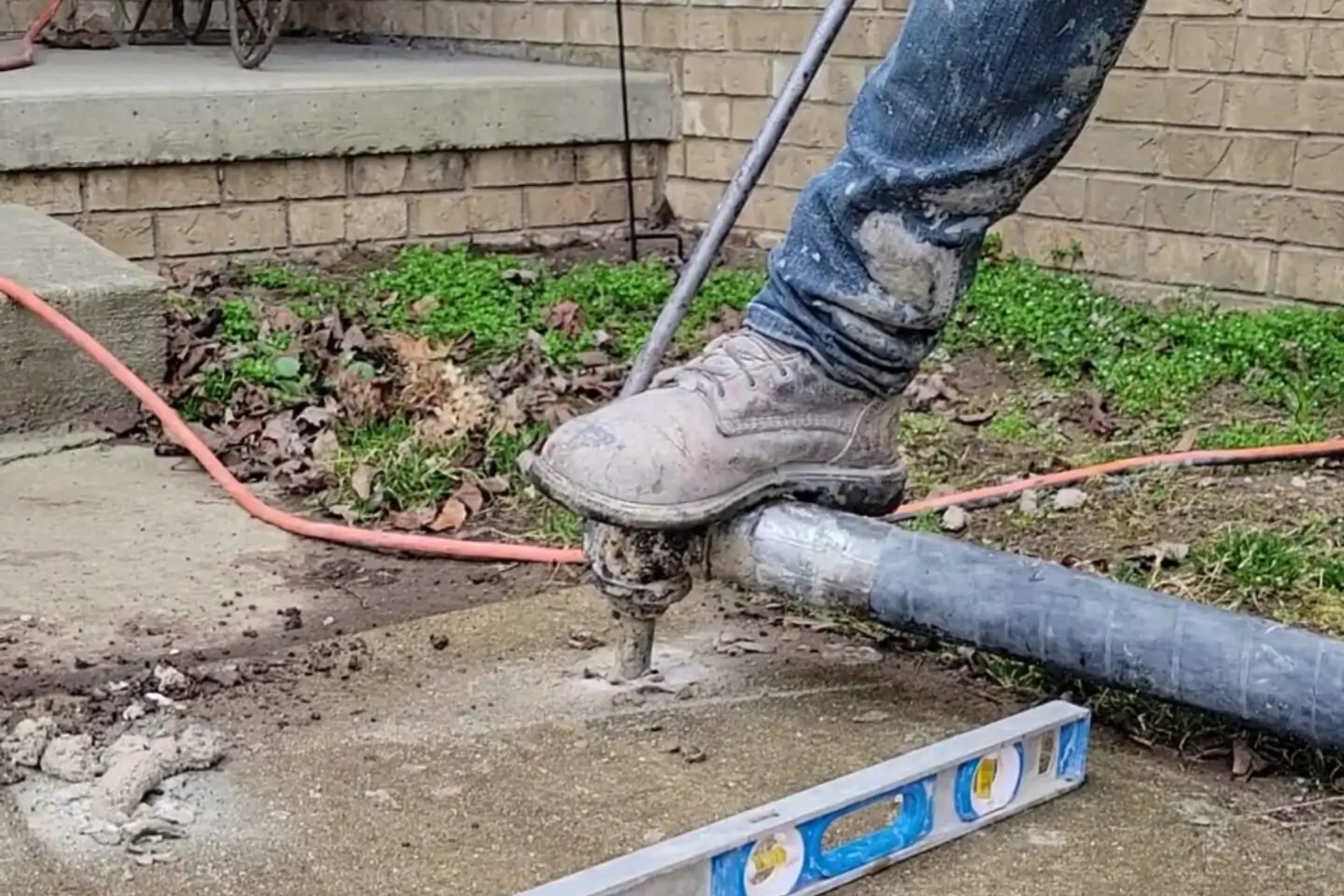
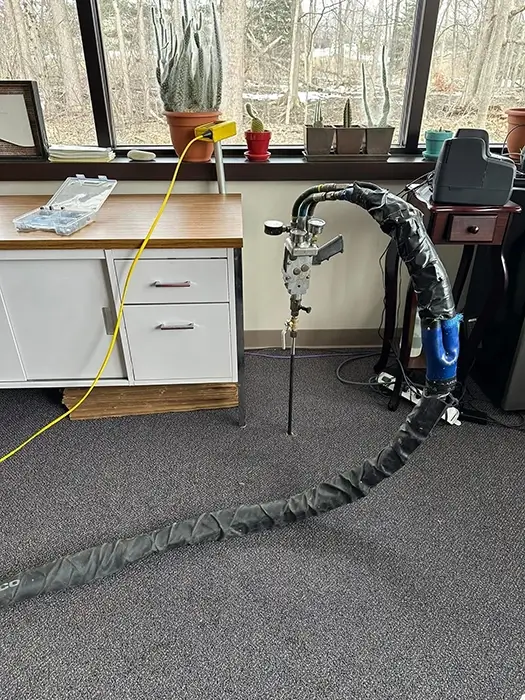
Luckily, concrete floor leveling is a cost-effective and relatively quick way to provide a smooth, level surface that lasts. There are several leveling methods that can be used, including mudjacking and polyjacking. At Detroit Concrete Leveling, we use the polyjacking method, which involves drilling small holes into a sunken slab and injecting expanding polyurethane foam beneath it to fill voids and raise the slab to the correct level.
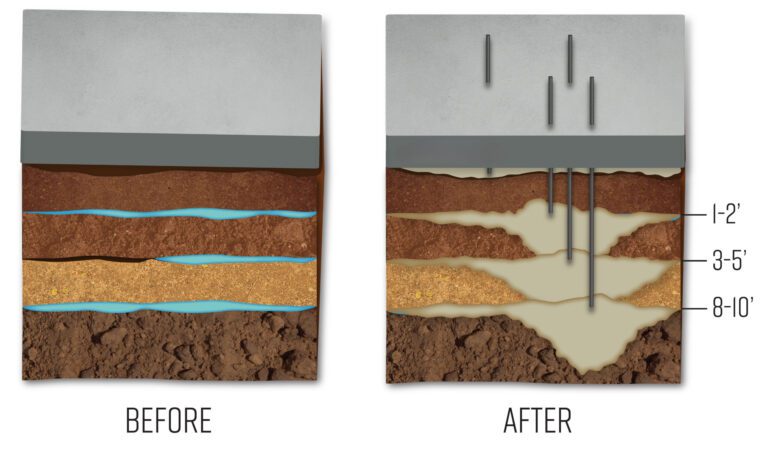
While it’s our opinion that polyjacking is the most effective leveling method, it won’t work for every form of slab or floor damage. In some cases, replacing the slab entirely is the most cost-effective move. This quick guide will help you decide whether leveling or replacement is the best option for restoring your concrete floors.
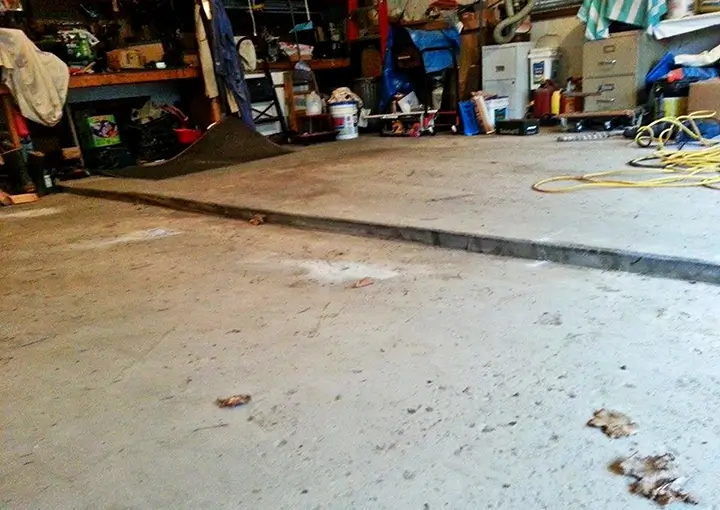
There are many distinct ways that concrete floors can show damage. If you’re dealing with a slab that is slowly sinking or sagging, you’re most likely a good candidate for leveling rather than more extensive replacement.
Sections of the floor that crack away from the rest and then sink are settling, and are most likely caused by the shifting or subsidence of the soil that originally supported that part of the floor. Injecting high-strength foam (polyjacking) or a slurry of mud and concrete (mudjacking) can raise the sunken slab, making it easier to finish the resurfacing process. Leveling in this way is much less expensive than cutting and chipping out the damaged sections and pouring a large full-depth patch. It’s definitely far less expensive than replacing the entire floor or slab.
If you’re hoping to repair and level your floor before cracks run across the surface, watch for more subtle signs. Doors and windows that begin to stick when they once opened perfectly indicate a shifting in the frame of the home that’s most likely due to a compromised concrete floor or slab.
Gaps in the frame around windows and doors are also a concern. Leveling will restore both functionality and stability, and the professionals you work with can determine exactly which parts of your floor are sinking and causing the misalignment, even if everything still looks intact and level to you.
Another indication that your concrete floors are sagging is the opening of gaps between the floor and the baseboards. While cracks at the tops of the walls can indicate other structural issues, visible gaps that widen over time at the bottom of the wall are usually caused by floor movement. The gaps could be due to local floor cracking and sinking, or to larger foundation issues affecting the entire structure.
Leveling can quickly smooth out depressions and seal gaps where your floor meets the baseboards, preventing drafts, moisture infiltration, and pest infestations.
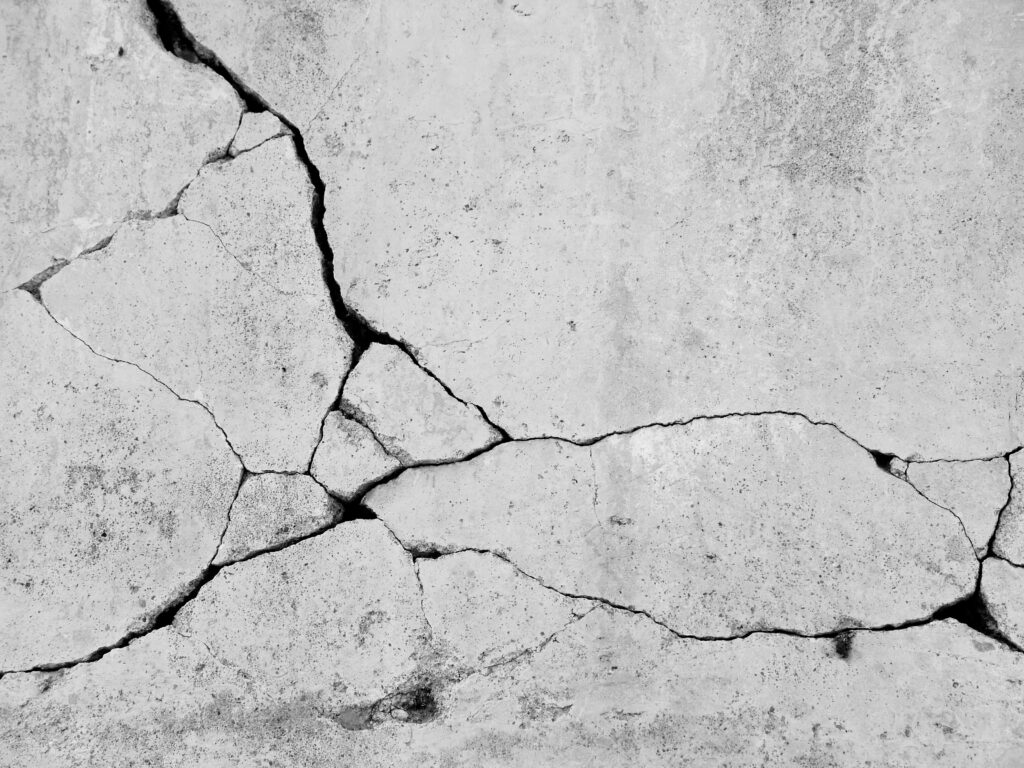
Cracks appearing between the top of the wall and the ceiling, or vertical cracks that run down the wall, definitely deserve professional attention. However, leveling is not always the right approach to addressing these issues. Depending on the type of crack and its placement, the problem may run deeper and need more extensive foundation repair.
Ensure you schedule a professional inspection when cracks first appear to discover what’s causing your walls to shift, especially vertical cracks near the tops of walls and/or horizontal cracks appearing in the center of walls.
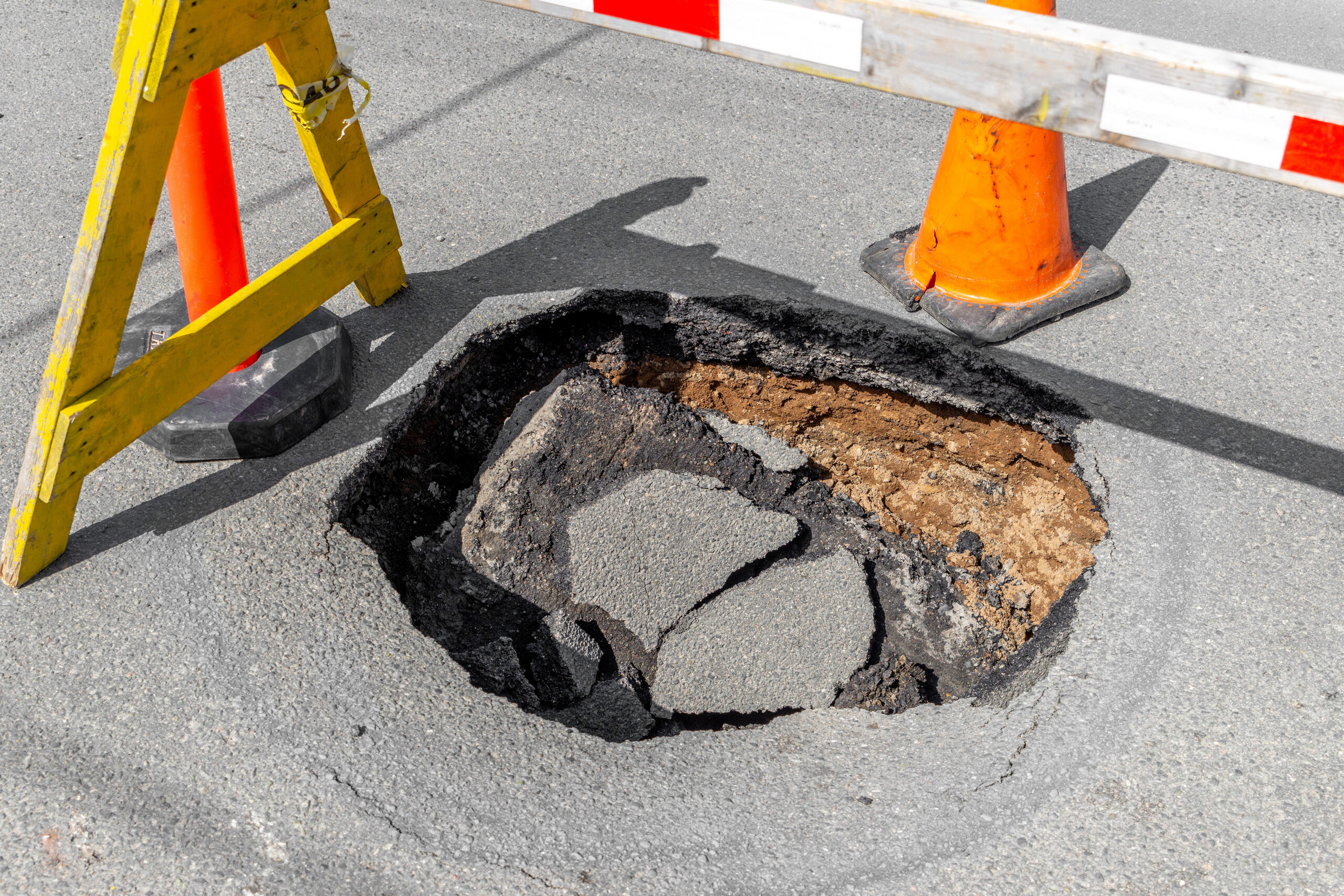
Sinking or sagging in concrete floors is very different from collapse. Sinking involves a small amount of movement, leading to a floor that’s still intact and with under an inch height difference between sections. If the floor sinks by more than an inch or crumbles and drops into the crawlspace below, leveling and patching won’t help.
Collapse is relatively rare, even in commercial structures where concrete floors experience significant wear and tear. It’s most likely to happen in a home where the concrete floor wasn’t designed or installed correctly. Overly thin or thick pours, use of the wrong mix, or missing reinforcement can all lead to collapse. In these situations, a full replacement will help prevent further problems.
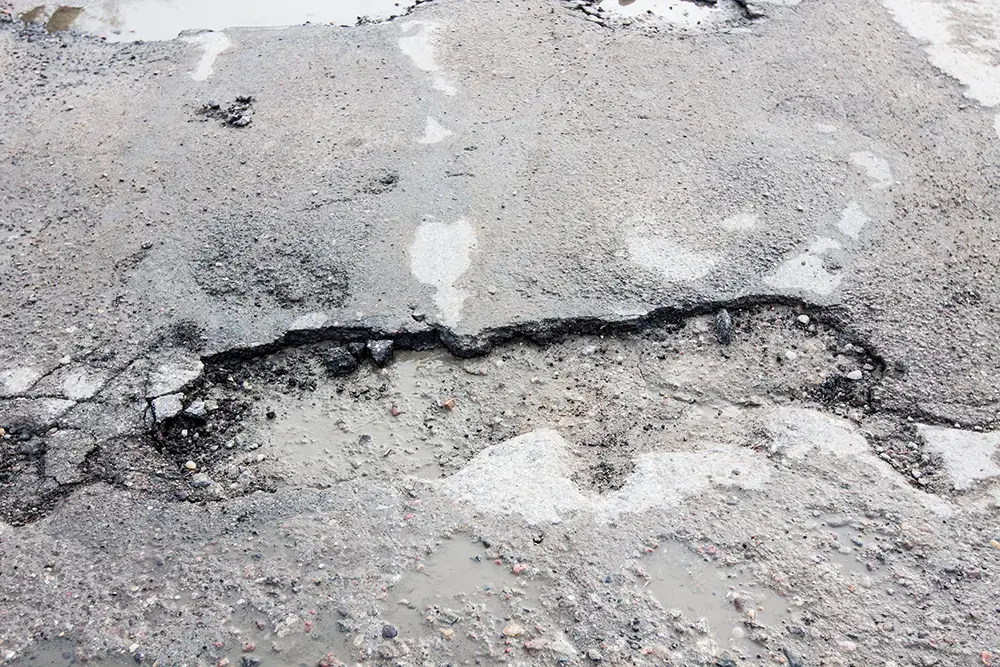
Concrete floors that are still in good shape, with isolated patches of sagging or crumbling here and there, are the best candidates for leveling. It’s difficult for the new layer of concrete to adhere tightly and provide a durable surface over extensive or widespread damage. There’s also a chance that highly damaged concrete is failing due to mixture or installation issues, and leveling alone won’t fix them. A technician can quickly inspect the floor and let you know whether its condition is too far gone for this kind of repair.
If you suspect (even a little) that your concrete floors need to be assessed, don’t wait. Whether you’ve noticed cracks, floorboard gaps, or sunken levels, our team at Detroit Concrete Leveling is ready to help. When you contact us to schedule a free inspection, we’ll determine what’s affecting your concrete and how best to repair or restore it.
Get the quality you deserve from Detroit Concrete Leveling. If you’re ready to start your project, contact us today for a free, no-obligation quote.