10% off any project approved from now through April 15th up to $500 off.
*not available with other discounts.
*not available with other discounts.
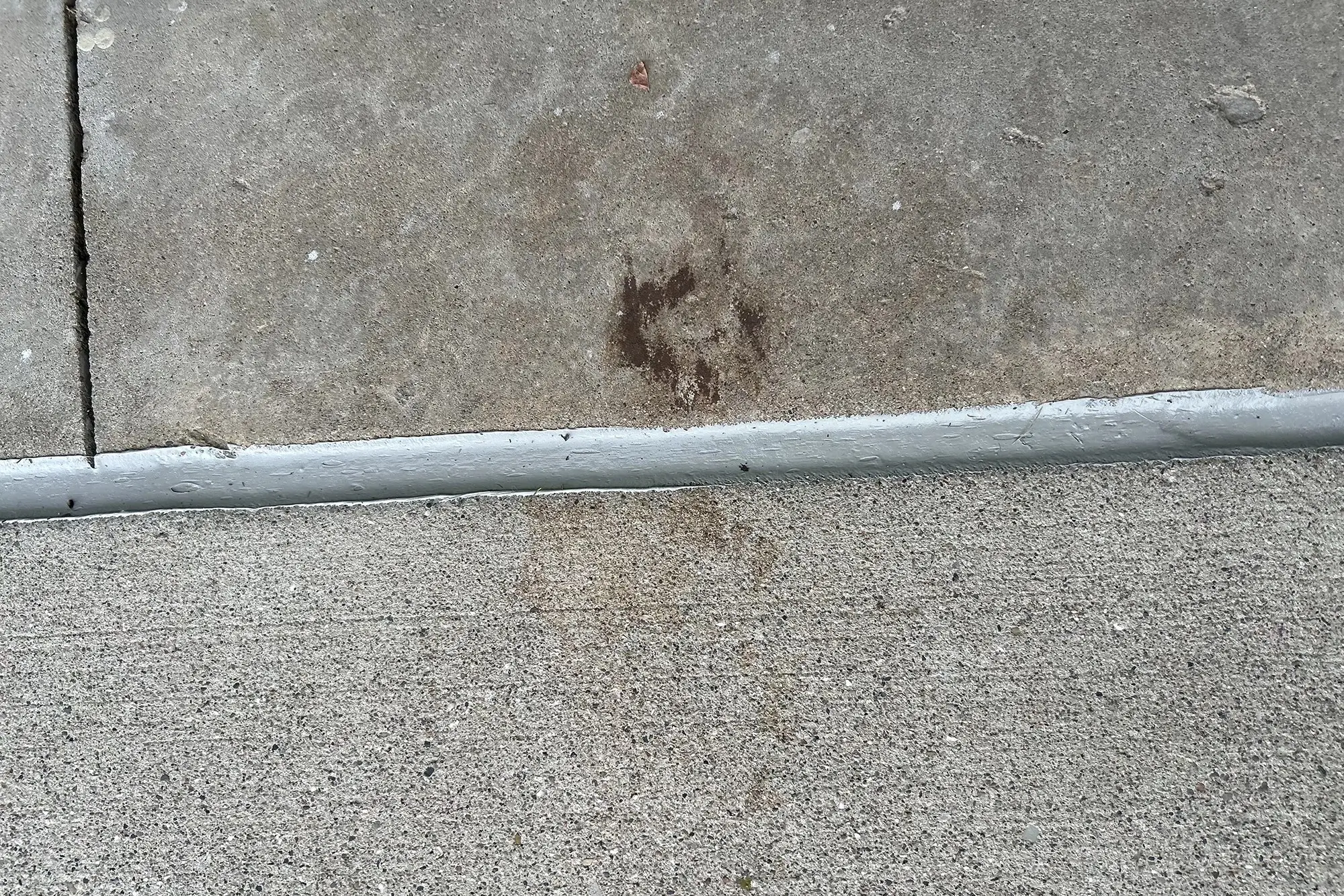
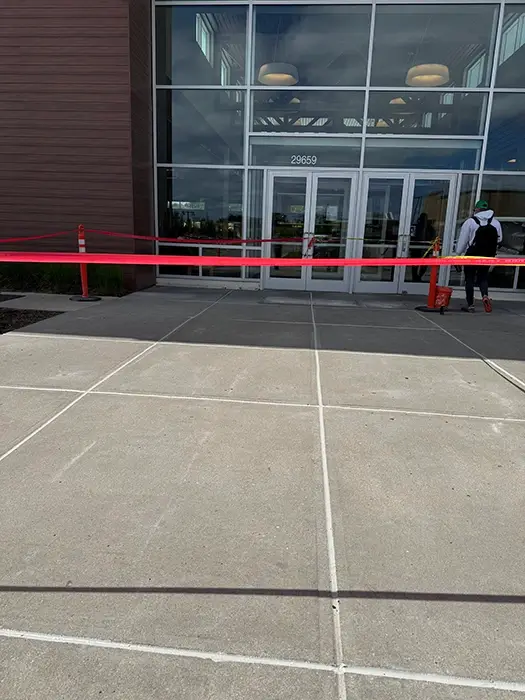
Concrete joints are intentional, saw cut separations built into the concrete structure to help with expansion, contraction, and natural movement. Although these joints serve a purpose, they need to be sealed (preferably with polyurethane sealants) to prevent water infiltration. We recommend polyurethane sealants, in particular, because they prevent water damage while providing the flexibility needed to support the concrete’s natural shifting as a response to temperature changes.
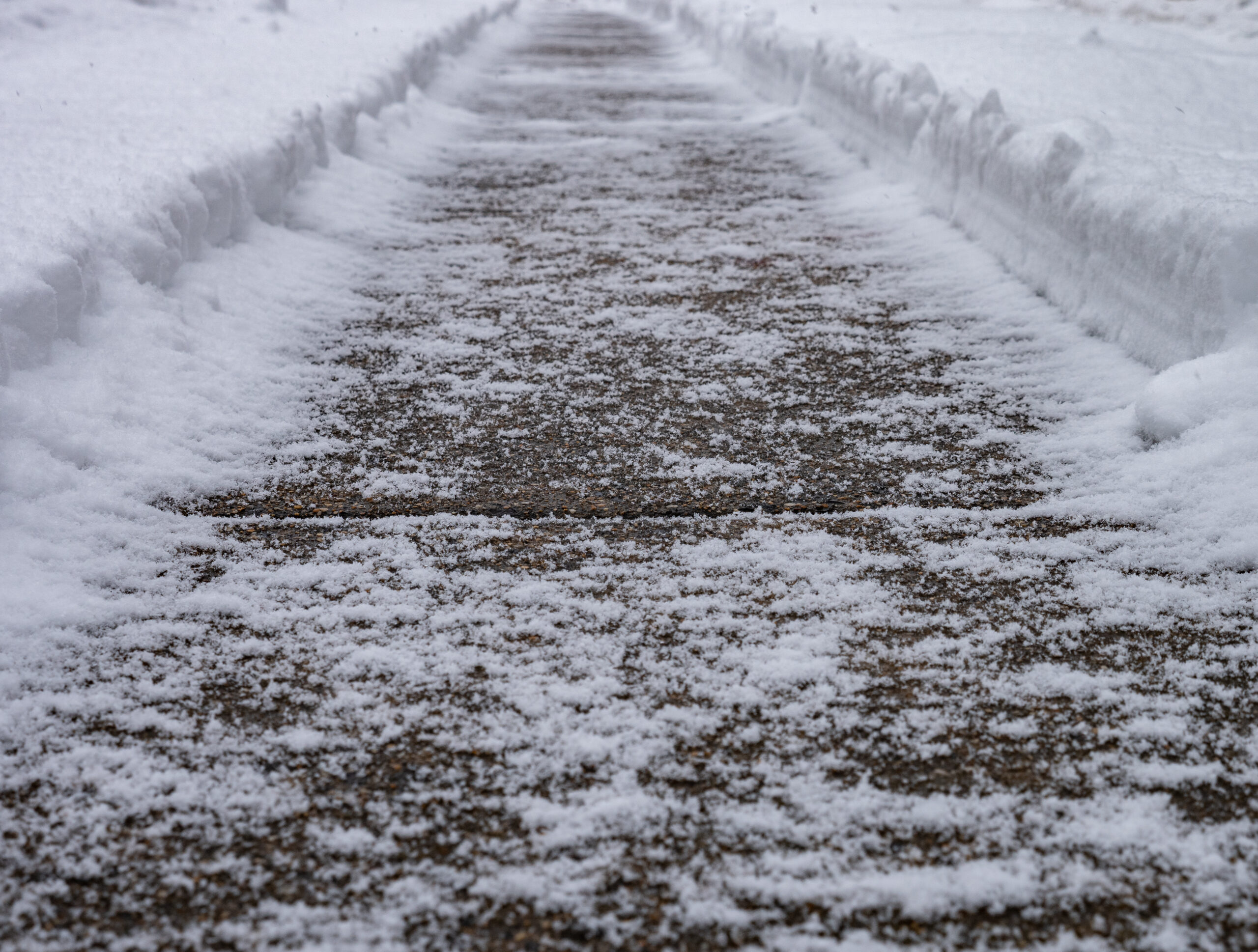
Protecting concrete from water damage is critical. Concrete is exceptionally durable, but it’s still susceptible to cracking and erosion when water is allowed to seep beneath its surface. Because Michigan experiences all four seasons, concrete driveways and other structures can also be damaged by freeze-thaw damage. This type of damage refers to intruding water freezing in colder temperatures, causing the concrete to contract. When the temperatures rise, the water thaws, causing the concrete to expand. This constant movement can increase the risk of stress crack formation and spalling. While stress cracks can be repaired using a similar method, spalling and severe deterioration may require a complete replacement of the concrete structure.
Beyond water damage protection, joint sealing also helps control weed growth and hard debris intrusion, the latter of which can lead to blow-up cracking.
Simply put, if you want your concrete to have a longer lifespan, you need to seal the joints.
Joint sealing isn’t a universal process. The exact method used varies based on the sealant used. The general process involves:
No matter the method, the joints must be cleaned and prepared with a wire brush to remove any lingering dust, moss/lichen growth, or loose gravel. Larger gaps may need further stabilization before the joint is sealed. Primers are generally applied to the cleaned concrete to encourage strong bonding on both sides of the gap. The process works similarly with crack repairs. Any debris within the stress cracks must be removed before the cracks are sealed.
Backer rods made of compressible foam are used to fill in the joint. Aim for a backer rod that’s about 25% to 33% wider than the width of the joint at its widest point. If a backer rod isn’t used, a thick non-sag concrete caulk can be used to fill the gap.
The filled seam is coated with a thick layer of sealant. Polyurethane is recommended for commercial floors because it’s self-leveling, eliminating the need for troweling or further smoothing. It’s essential to apply just enough to leave a few millimeters below the surface of the floor so the seal doesn’t become a bump that rises above the concrete.
Most sealants take only a few hours to become tacky and a few more days to fully cure. You can generally resume normal use of the floor on the same day or within 48 hours. This greatly reduces business downtime, especially compared to more extensive joint sealing or crack filling methods.
Sealants used to seal joints are called concrete caulks. Products based on polyurethane tend to be thinner and self-level, speeding up installation while ensuring gaps and air bubbles are filled as the material sinks.
Thicker mixtures are known as non-sag caulk, and work well for packing in larger joints, eliminating the need for backer rods if they’re not wanted. However, this sealant type requires a hand-troweled finish, which slows the process due to its density. For most commercial floor repairs, self-leveling liquid concrete caulk sealants are the best choice.
Both sealants can be used simultaneously to fill in large or uneven gaps. It’s possible to press in thick sealant first and then top with a self-leveling sealant, but in most cases, backer rods provide a better base that won’t slow down the curing process.
Joint sealing isn’t a DIY job for business owners. Hiring an experienced concrete repair team will provide long-term results you can count on for the best possible price from the start.
If the joint sealing project isn’t handled correctly, you might end up dealing with:
Assuming your concrete joints are sealed properly can lead to further damage to the floor due to the freeze-thaw cycle, surface spalling, and more. Invest in getting the process handled correctly by the pros from the start, rather than potentially paying for more extensive repairs in a few years.
Detroit Concrete Leveling can help you seal your commercial floor joints the right way, no matter the type of joint or the size of the gap. Even if you don’t see visual cracks in your joints, they may be open due to the design or on the verge of cracking enough to let moisture seep through.
If you’ve noticed discoloration, damaged caulk, or widening cracks, we recommend scheduling an inspection as soon as possible. We proudly provide reliable concrete repair services, including foam leveling, joint sealing, and more, to businesses in the metro Detroit area.
Visit our website to learn more about our capabilities, or contact us today to get started with a free inspection and quote.
Get the quality you deserve from Detroit Concrete Leveling. If you’re ready to start your project, contact us today for a free, no-obligation quote.